
The Thrill of the Gamble: Understanding Casino Excitement
The allure of the casino lies not just in the potential for financial gain, but in the potent psychological cocktail it offers. At its core, casino gaming taps into fundamental human desires for excitement, challenge, and even a touch of the unpredictable. The flashing lights, the sounds of slot machines, and the hushed anticipation at the card tables all contribute to an atmosphere designed to stimulate the senses and trigger the release of dopamine, the brain’s reward chemical. This neurochemical response creates a feeling of pleasure and can reinforce the desire to continue playing, with many players looking for platforms like supa8et.com to experience this thrill.
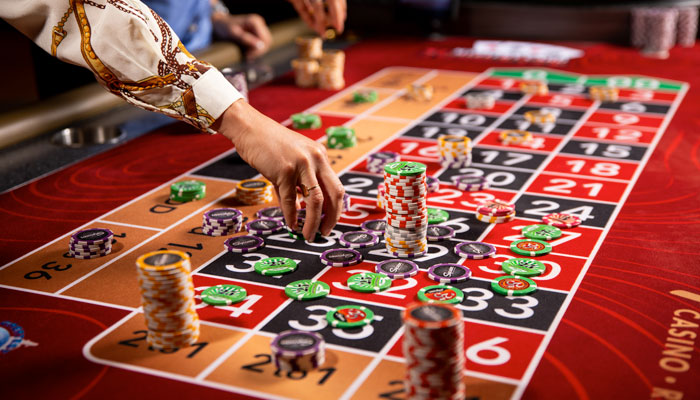
This psychological stimulation is a carefully crafted element of the casino experience. The inherent uncertainty of the outcomes, whether it’s the spin of a roulette wheel or the turn of a card, creates a powerful sense of anticipation. This “near miss” phenomenon, where a player almost wins, can be particularly potent in encouraging further play, as it fosters a belief that a win is just around the corner. The psychological impact of these elements is profound, shaping the player’s perception of time, risk, and reward within the casino environment.
Cognitive Biases and Casino Play
Within the casino environment, a player’s decisions are often influenced by a range of cognitive biases. The gambler’s fallacy, for instance, is the mistaken belief that if something happens more frequently than normal during a given period, it will happen less frequently in the future, or vice versa. This can lead players to make irrational bets, such as believing a certain number is “due” to hit in roulette after a long streak of other numbers.
Another significant bias is the illusion of control, where players may believe they can influence the outcome of games of chance through skill or superstition, even when the games are purely random. This can manifest in rituals or specific betting patterns that hold no actual statistical advantage. Understanding these cognitive pitfalls is crucial for any player aiming to approach casino games with a more rational mindset, recognizing that most casino games are designed with a statistical edge for the house.
Emotional Regulation and Responsible Gaming
The emotional rollercoaster of casino gaming is undeniable. Excitement can quickly turn into frustration or desperation if losses mount. Effective emotional regulation is therefore a cornerstone of responsible casino engagement. Players who can manage their emotional responses to wins and losses are less likely to make impulsive decisions that can lead to significant financial distress. This involves setting clear limits and sticking to them, regardless of the immediate emotional pull of the game.
Developing strategies for emotional detachment is key. This means recognizing that each spin, each hand, is an independent event and not letting past outcomes dictate future actions. Acknowledging the entertainment value of casino gaming, rather than solely focusing on the prospect of winning, can also foster a healthier approach. This perspective shift helps to frame casino visits as a leisure activity with an associated cost, rather than a guaranteed income stream.
The Psychology of “Winning” and Perceived Success
The concept of “winning” at a casino is multifaceted. While a significant payout is the ultimate goal for many, the psychological feeling of winning can be achieved through smaller, more frequent successes. These can include minor wins that recoup a portion of the stake, or even just experiencing engaging gameplay. The casino environment is designed to provide these intermittent rewards, which can create a strong sense of progress and satisfaction, even if the overall financial outcome is negative.
Furthermore, the perception of winning can be amplified by the social aspects of a casino. Witnessing others win, hearing the celebratory sounds of jackpots, and the general atmosphere of excitement can create a shared sense of potential success. This social reinforcement plays a role in maintaining engagement and the belief that winning is an attainable, even probable, outcome for oneself. It’s this interplay of individual psychology and the collective atmosphere that makes the casino such a compelling environment.

Navigating the Casino Experience with a Psychological Edge
To truly “unlock the psychology of winning at the casino,” one must adopt a nuanced perspective that goes beyond mere luck. It involves understanding the psychological mechanisms at play, both in the casino’s design and within one’s own mind. Approaching casino games with a clear understanding of probability, cognitive biases, and the importance of emotional control is paramount. This doesn’t guarantee wins, but it significantly enhances the player’s ability to make informed decisions and enjoy the experience responsibly.
For players seeking a platform that acknowledges these psychological dynamics, a well-designed casino experience is essential. This means offering transparent game mechanics, providing tools for setting limits, and fostering an environment where responsible play is encouraged. While the core of casino gaming remains chance-driven, a player who is psychologically aware is better equipped to navigate the thrills and challenges, focusing on entertainment and managing their engagement effectively. This mindful approach is the closest one can get to an “advantage” in the psychological sense.